How the De-Risk Matrix Was Born
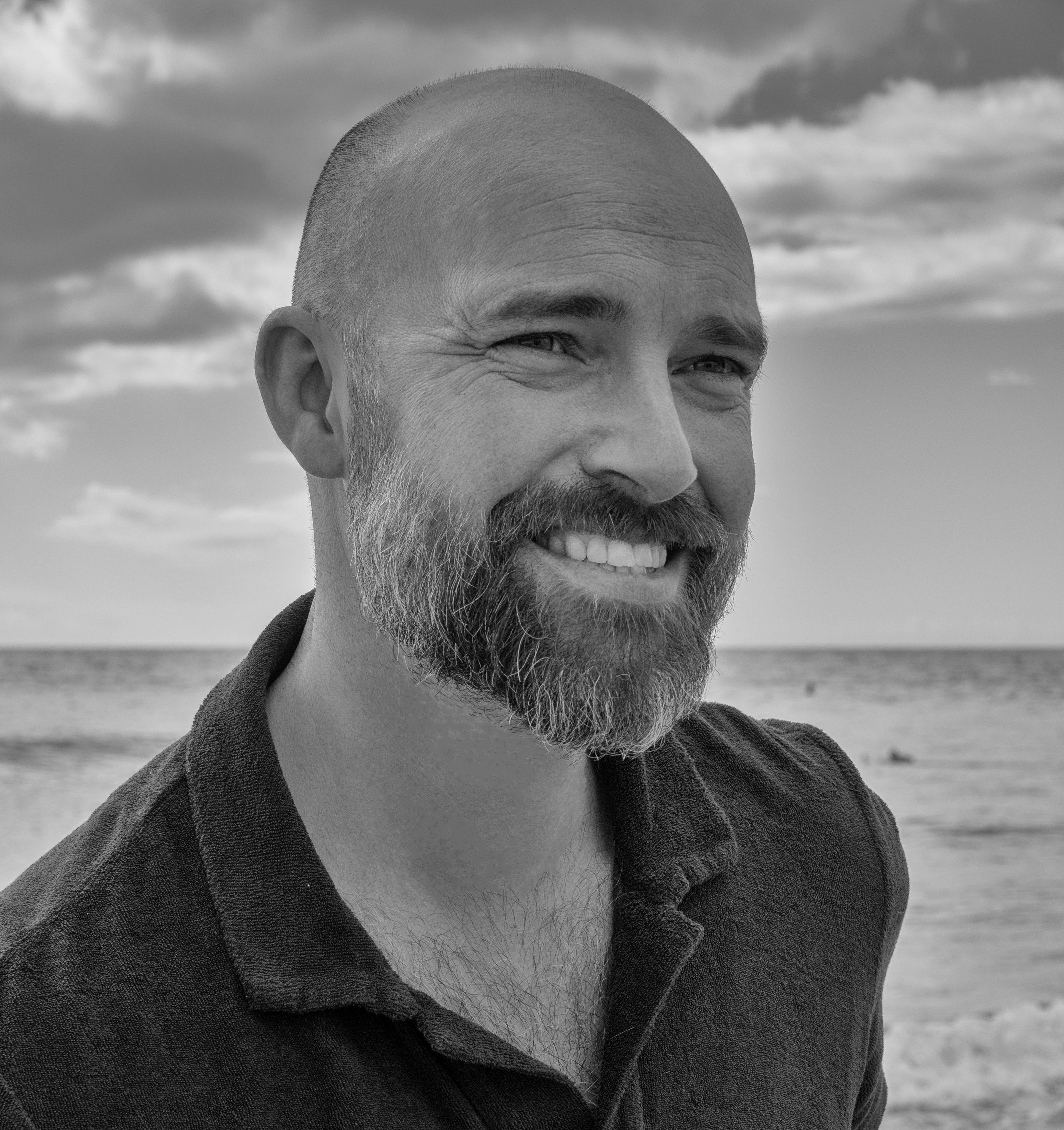
In 2018, Magnus Bjelkerud set out to find a framework that could effectively manage strategic goals and risks in an integrated way. After an extensive search, he found that no suitable existing framework addressed the problem he kept encountering in organisations: the gap between where goals were set and how risks were managed.
Goals were set with ambition but without a clear picture of the risk that ambition entailed. Risk management was conducted separately, focused on individual events rather than the overall strategic health of objectives. Culture — arguably the most powerful determinant of whether goals are achieved — was rarely addressed at all.
The De-Risk Matrix was created to close this gap: a single, integrated methodology that treats goals, risks, and culture as inseparable elements of strategic management.
Timeline
The Methodology is Created
Magnus Bjelkerud develops the first version of the De-Risk Matrix after identifying the absence of an integrated framework for strategic goal and risk management. The methodology undergoes its first pilot with Sporveien — Norway's largest public transport operator — on a billion-dollar metro signalling system project.
Design Collaboration
A collaboration with Eggs Design begins. Business designer Jørgen Solstad joins to help refine and communicate the matrix, bringing design thinking to the methodology's development and visual language.
Culture Expertise Added
Leadership and culture specialist Kjersti Johanne Steinskog joins the team, recognising that culture is one of the biggest barriers against goal achievement. Her expertise deepens the cultural dimension of the methodology, ensuring it addresses the human and organisational factors that determine whether risk strategies actually work.
The Website Launches
The De-Risk Matrix website is established to advance the methodology and reach broader audiences — organisations, institutions, and practitioners who can benefit from a more integrated approach to strategic goal and risk management. The methodology is made available free of charge.